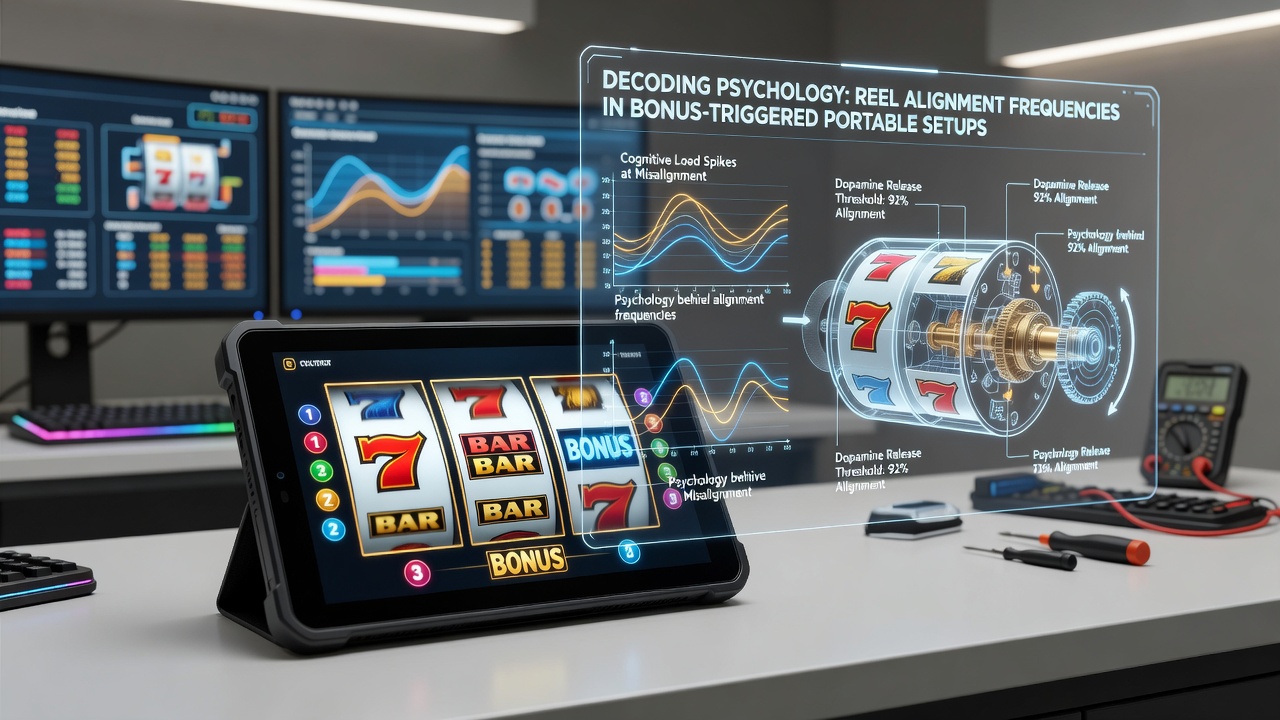
Decoding the Psychology Behind Reel Alignment Frequencies in Bonus-Triggered Portable Casino Setups
Reel alignment frequencies refer to the specific rates at which symbols line up on digital slot reels within bonus-triggered portable casino setups, where mobile devices serve as the primary platform for gameplay. These frequencies operate through random number generators that determine outcomes while visual and auditory cues shape how players perceive those results. Researchers have examined how alignment patterns influence cognitive responses during sessions that feature bonus rounds triggered by particular reel combinations.
Mechanics of Reel Alignment in Mobile Environments
Portable casino setups rely on software algorithms that cycle through thousands of reel positions each second, yet the displayed alignments occur at intervals designed to maintain session continuity. Data from gaming industry reports show that bonus triggers typically activate when three or more designated symbols appear on active paylines, and the frequency of near-alignments creates patterns that players encounter repeatedly. In August 2026 mobile gaming analytics indicated increased session durations on devices where reel spins incorporate subtle timing variations that affect perceived momentum toward bonus events.
Those who study these systems note that alignment frequencies differ between standard spins and bonus modes, with portable interfaces allowing touch-based interactions that accelerate or pause reel movement in ways desktop versions cannot replicate. Engineers program the underlying code to balance hit rates while ensuring that alignments remain unpredictable enough to sustain engagement across multiple rounds.
Cognitive Responses to Alignment Patterns
Psychological research into gambling mechanics highlights how reel alignments activate reward pathways even when full bonus triggers fail to occur. Near-miss alignments, where symbols stop just short of a winning combination, occur at measurable frequencies that studies link to heightened attention and continued play. Observers note that players on portable devices often experience these events more intensely because screen proximity and haptic feedback amplify the sensory input during each spin cycle.
Evidence from behavioral analyses suggests that variable ratio reinforcement schedules govern much of this response, similar to mechanisms observed in other chance-based activities. Figures from academic investigations reveal that alignment frequencies calibrated around 1 in 8 to 1 in 12 spins for near-misses correlate with extended play times in bonus-eligible games. People who participate in these sessions frequently report shifts in focus toward upcoming alignments rather than overall expenditure tracking.
Bonus Trigger Dynamics and Player Interaction
Bonus-triggered portable setups integrate reel alignment frequencies directly into the activation sequence for features such as free spins or multiplier rounds. The transition from base game to bonus occurs when alignment thresholds are met, and designers adjust these thresholds to occur at rates that encourage repeated attempts. Research indicates that portable platforms introduce additional variables through network latency and touch sensitivity, which can alter the exact timing of symbol stops and therefore the perceived frequency of successful triggers.
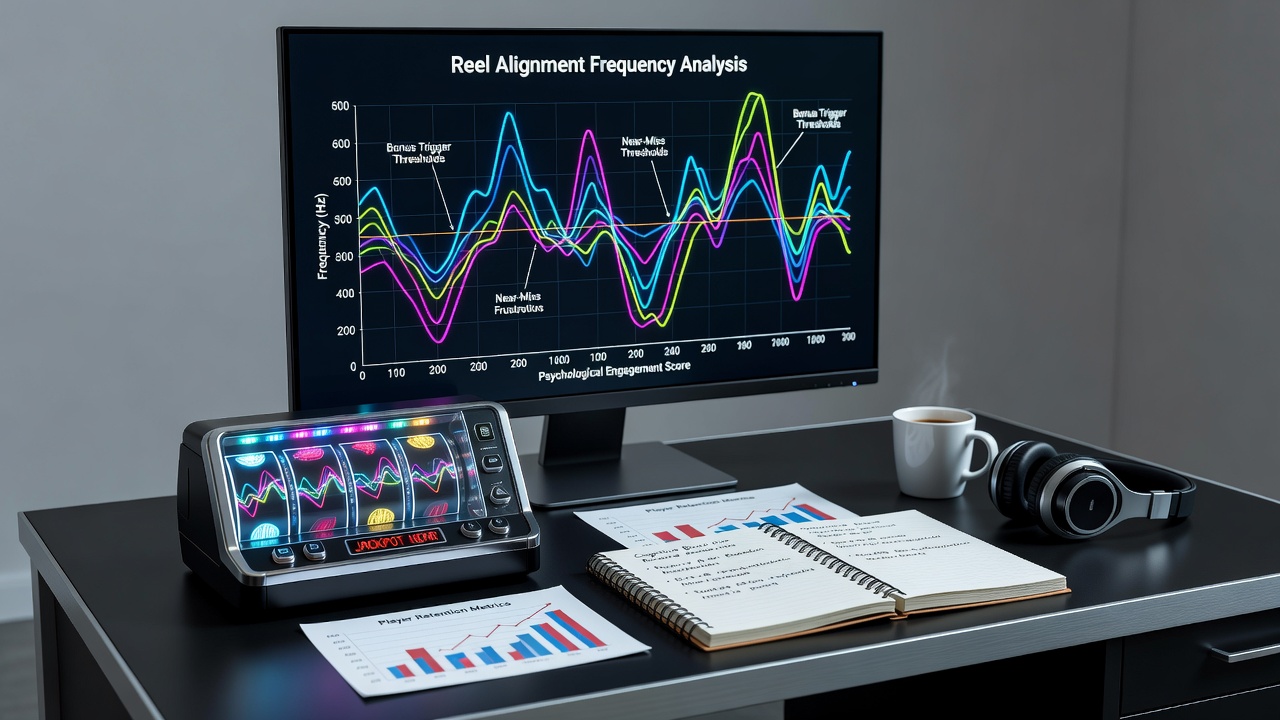
One analysis of session data from European operators demonstrated that games with alignment frequencies tuned for bonus entry every 75 to 120 spins maintained higher retention metrics than those with longer intervals. Canadian regulatory summaries from provincial gaming authorities further document how mobile users encounter these patterns during shorter, fragmented play periods compared with longer stationary sessions. The integration of sound effects synchronized to reel stops reinforces the psychological weight of each alignment event, directing attention toward the next potential trigger.
Environmental Factors in Portable Play
Portable casino environments introduce contextual elements that interact with reel alignment frequencies, including ambient noise, screen brightness adjustments, and multitasking interruptions common on smartphones. Studies conducted by university research teams in Australia have tracked how these external conditions modify attention allocation during sequences where alignments build toward bonus activation. Data collected across multiple jurisdictions shows that shorter attention spans on mobile devices lead players to favor games with more frequent visual alignments even when the mathematical probability remains constant.
Operators adjust animation speeds and symbol sizes within portable interfaces to optimize visibility of alignment events on smaller displays. Those who analyze player behavior patterns report that these modifications influence how often individuals interpret an alignment as meaningful, regardless of its statistical weight in the overall game structure.
Conclusion
Reel alignment frequencies in bonus-triggered portable casino setups function as measurable components within larger systems governed by random outcomes and reinforced through visual design choices. Research across regulatory and academic sources continues to document how these frequencies interact with cognitive processes during mobile sessions. As device capabilities evolve and data collection expands through 2026, additional patterns in player interaction with alignment events may emerge from ongoing analyses by industry and government bodies.