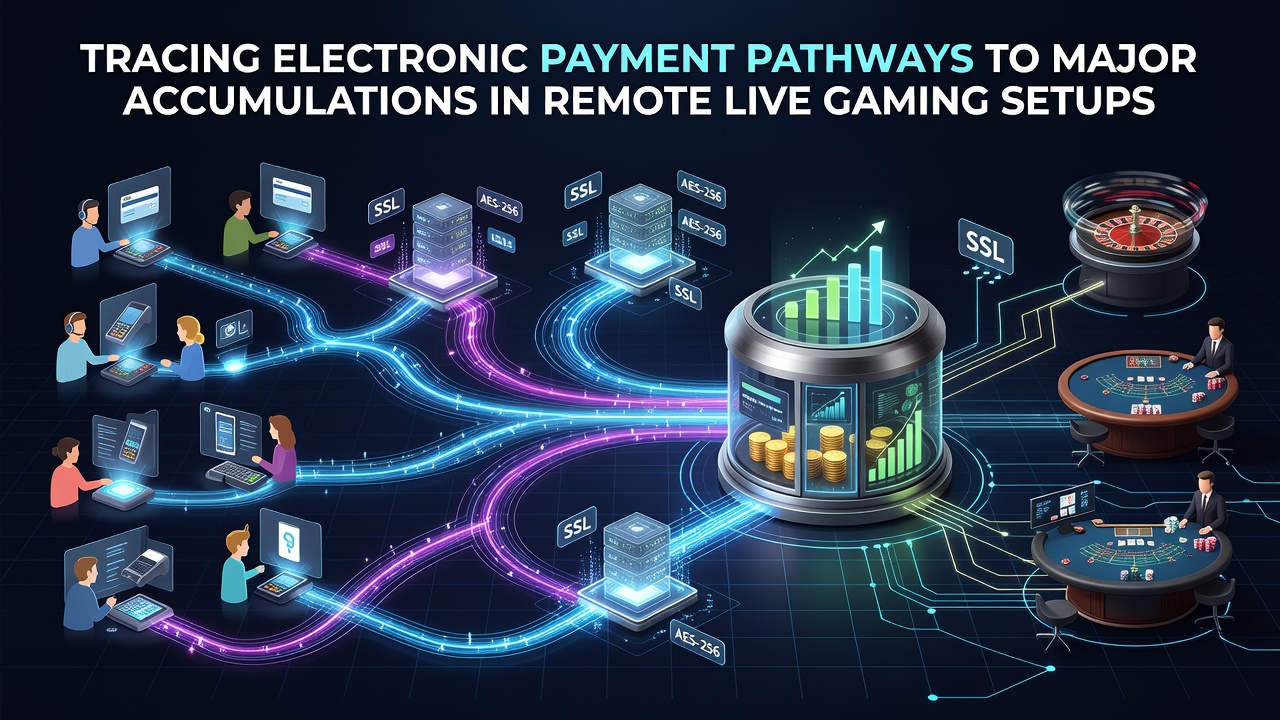
Tracing Electronic Payment Pathways to Major Accumulations in Remote Live Gaming Setups
Remote live gaming setups rely on layered electronic payment systems that move funds from player accounts through processors, banks, and settlement networks before reaching prize pools or individual accumulations, and observers note these pathways often involve multiple jurisdictions with distinct reporting requirements. Data from regulatory filings show that transaction volumes in live dealer environments grew steadily through 2025, with major accumulations tracked via automated monitoring tools that flag patterns exceeding set thresholds. Researchers at financial technology institutes have documented how real-time ledgers capture each transfer, while encryption protocols protect details yet permit authorized audits when accumulations trigger compliance reviews.
Core Components of Payment Pathways
Electronic transfers in these setups typically begin with digital wallets or card authorizations that connect to payment gateways, and these gateways route requests through acquiring banks before funds reach operator accounts or segregated prize reserves. Studies from industry research groups indicate that live gaming platforms integrate API connections to multiple processors, allowing simultaneous handling of fiat and cryptocurrency options while maintaining separate trails for each. In August 2026 figures released by the Alcohol and Gaming Commission of Ontario revealed that over 60 percent of large accumulations in monitored remote sessions originated from e-wallet clusters rather than direct bank wires, prompting enhanced cross-border data sharing agreements.
Accumulations themselves form when progressive contributions from numerous sessions feed into centralized pools, and tracing these requires mapping contribution percentages against player identifiers stored in operator databases. Experts at academic centers studying digital finance have examined how timestamped logs link individual deposits to specific game instances, creating verifiable chains even when intermediate mixers attempt to obscure origins. Those who analyze settlement reports note that discrepancies often surface during reconciliation processes conducted quarterly by licensed operators.
Monitoring Technologies and Regulatory Frameworks
Advanced analytics platforms scan transaction streams for velocity anomalies and geographic mismatches, while machine learning models trained on historical data predict when accumulations may exceed regulatory caps. The Nevada Gaming Control Board maintains public records detailing how such tools integrate with operator systems to generate automated alerts, and similar frameworks operate under Australian communications oversight that emphasizes consumer fund segregation. Observers note that these systems operate continuously, cross-referencing payment identifiers against watch lists maintained by international financial intelligence units.
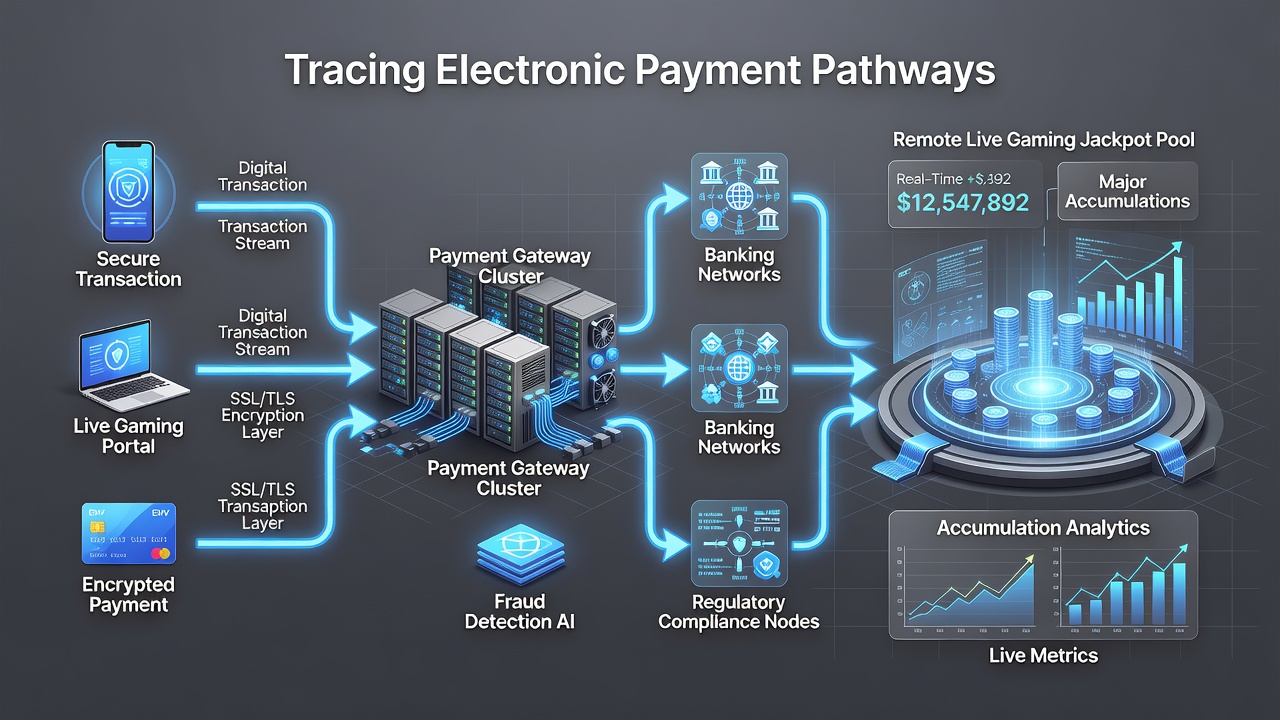
Blockchain-based options add public ledger visibility for certain cryptocurrency flows, yet hybrid setups still route portions through traditional rails that demand separate verification steps. Research papers from European fintech consortia highlight cases where multi-signature wallets facilitated clearer tracing of contributions to live gaming jackpots, because each signature event logs participant details in immutable records. Regulatory bodies across regions now require operators to retain full pathway documentation for periods ranging from five to seven years, depending on local statutes.
Challenges in Cross-Border Tracing
International sessions introduce additional nodes as payments cross currency conversion services and regional processors, and these extra steps can fragment the visible trail unless standardized reporting formats are adopted. Data released in 2025 by the Australian Communications and Media Authority showed that collaborative queries between regulators resolved tracing requests within an average of 14 days when complete records existed at each hop. Those who study enforcement actions find that incomplete documentation at any single point often delays identification of accumulation sources, leading to temporary holds on prize distributions.
Operators deploy internal reconciliation teams that match incoming transfers against game outcome logs, and these teams work alongside external auditors who sample pathways for compliance accuracy. Figures from trade association surveys indicate rising adoption of unified payment interfaces that embed regulatory tags directly into transaction metadata, reducing manual review times while preserving privacy controls mandated by data protection statutes.
Conclusion
Tracing electronic payment pathways to major accumulations in remote live gaming setups depends on integrated monitoring systems, standardized record retention, and cooperation among regulators across multiple regions. Available data demonstrate that current technologies support detailed reconstruction of fund movements when operators maintain complete logs and adhere to reporting obligations. Continued refinement of analytics tools and cross-jurisdictional agreements shapes how authorities follow these pathways in practice.